In today’s digital world, understanding why every small business needs Digital Marketing is essential for long-term growth. Customers are spending more time online than ever before—searching for products, reading reviews, and comparing brands before making a purchase. If your business does not have a strong online presence, you could be missing out on valuable opportunities.
This is where digital marketing becomes important. Digital marketing helps businesses promote their products and services using online channels such as search engines, social media, email, and websites. It allows businesses to connect with the right audience, build trust, and increase sales at a lower cost than traditional advertising.
Whether you own a local shop, restaurant, salon, retail store, or service-based business, digital marketing can help you compete with larger companies and grow your business. In this blog, we will explore why every small business needs digital marketing and how it can lead to long-term success.
1. Digital Marketing
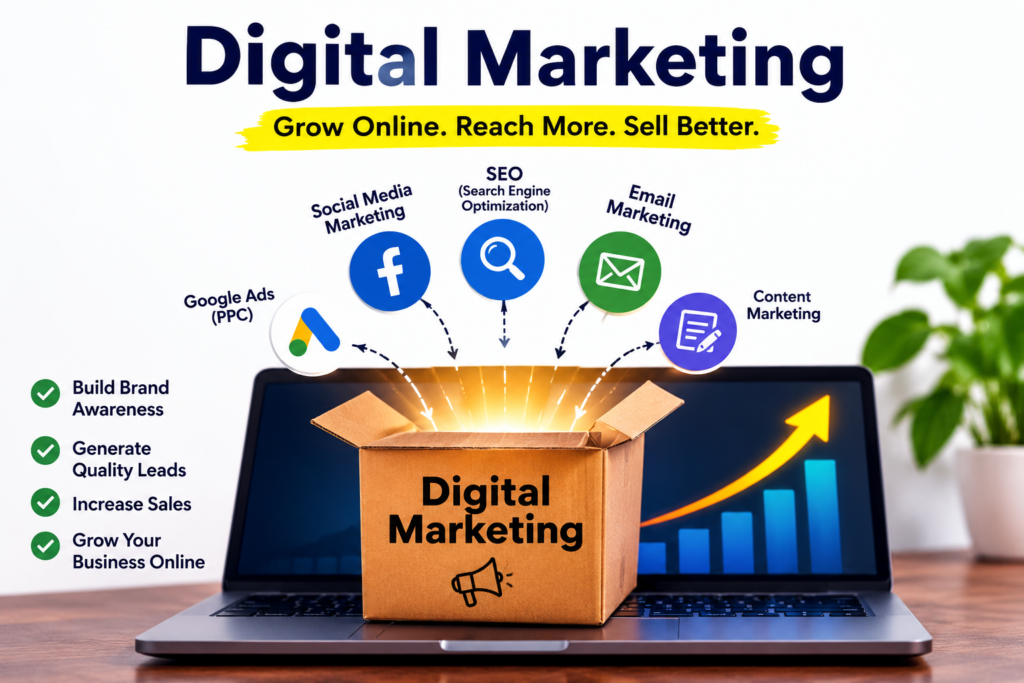
One of the biggest reasons to invest in digital marketing is that your customers are already online. Millions of people use Google to search for products and services every day. They also spend hours on social media platforms like Facebook, Instagram, LinkedIn, and YouTube.
When people need a product or service, their first step is often to search online. If your business is visible on search engines and social media, potential customers can easily find you. Without an online presence, they may choose your competitors instead.
Digital marketing helps your business appear where your customers are already spending their time.
2. It Is Cost-Effective
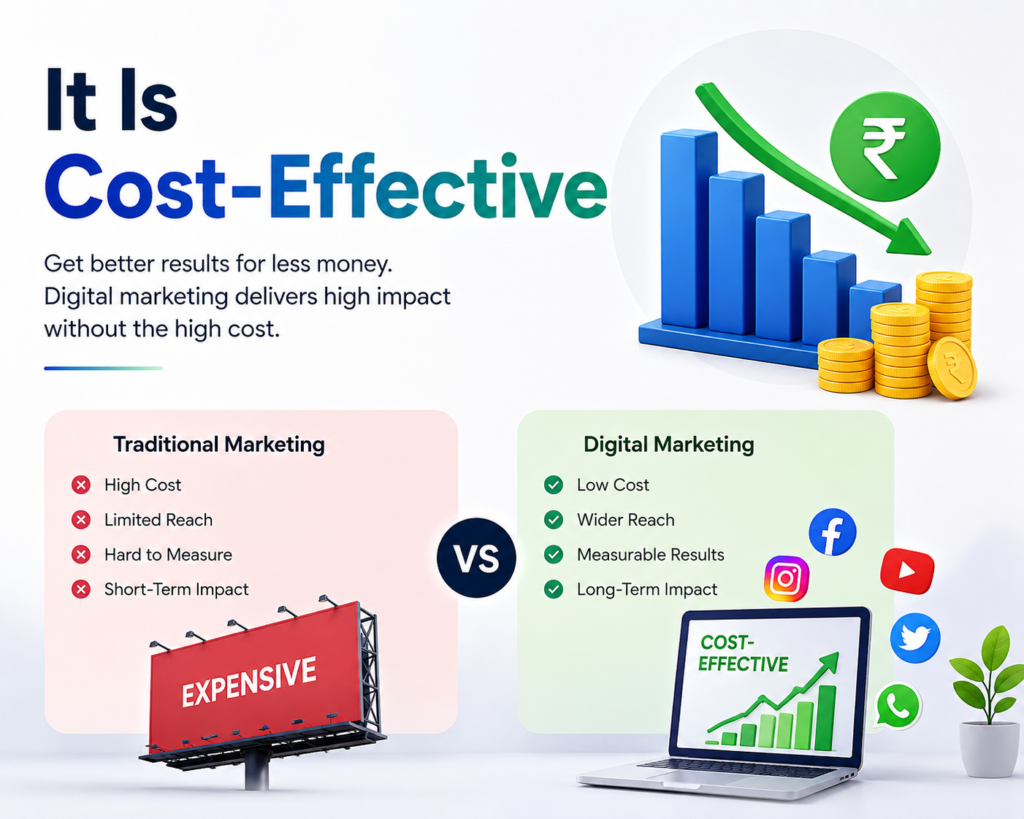
Small businesses often have limited marketing budgets. Traditional advertising methods like television, newspapers, and billboards can be expensive and may not always reach the right audience.
Digital marketing offers affordable ways to promote your business. You can start with a small budget and increase your spending as your business grows.
Some cost-effective digital marketing methods include:
- Search Engine (SEO)
- Social media marketing
- Content marketing
- Email marketing
- Google Ads
- Facebook and Instagram Ads
These strategies allow small businesses to reach thousands of potential customers without spending a large amount of money.
3. It Helps You Reach the Right Audience
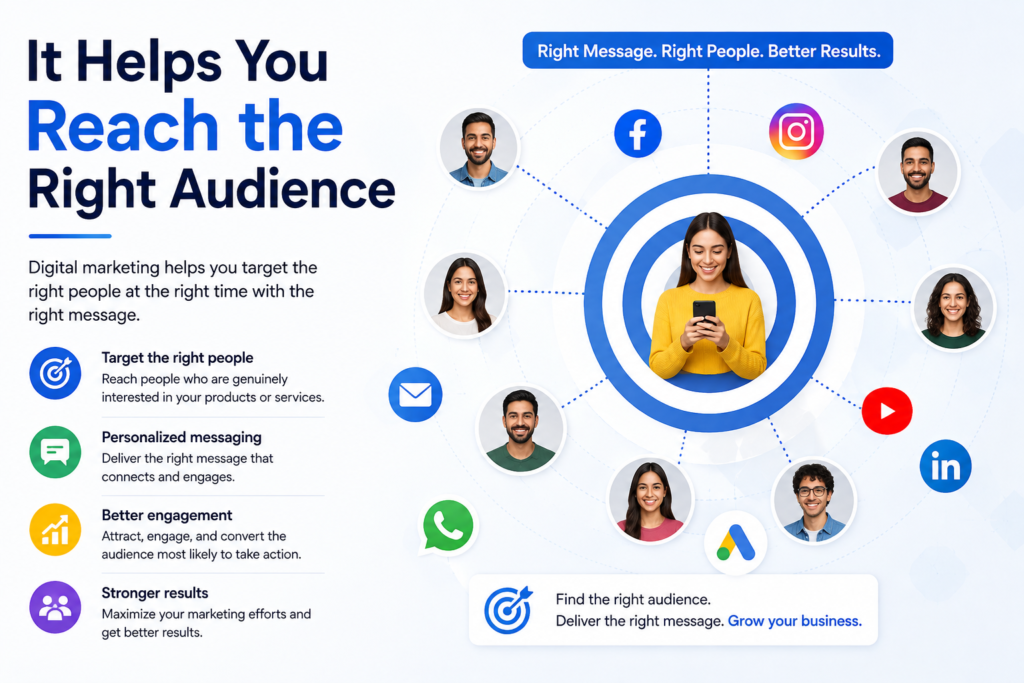
Unlike traditional marketing, digital marketing allows you to target specific groups of people.
For example, you can show your ads to:
- People living in your city
- Customers within a certain age group
- Users interested in your products
- People searching for services like yours
This targeted approach increases the chances of reaching people who are most likely to become customers.
4. Builds Brand Awareness
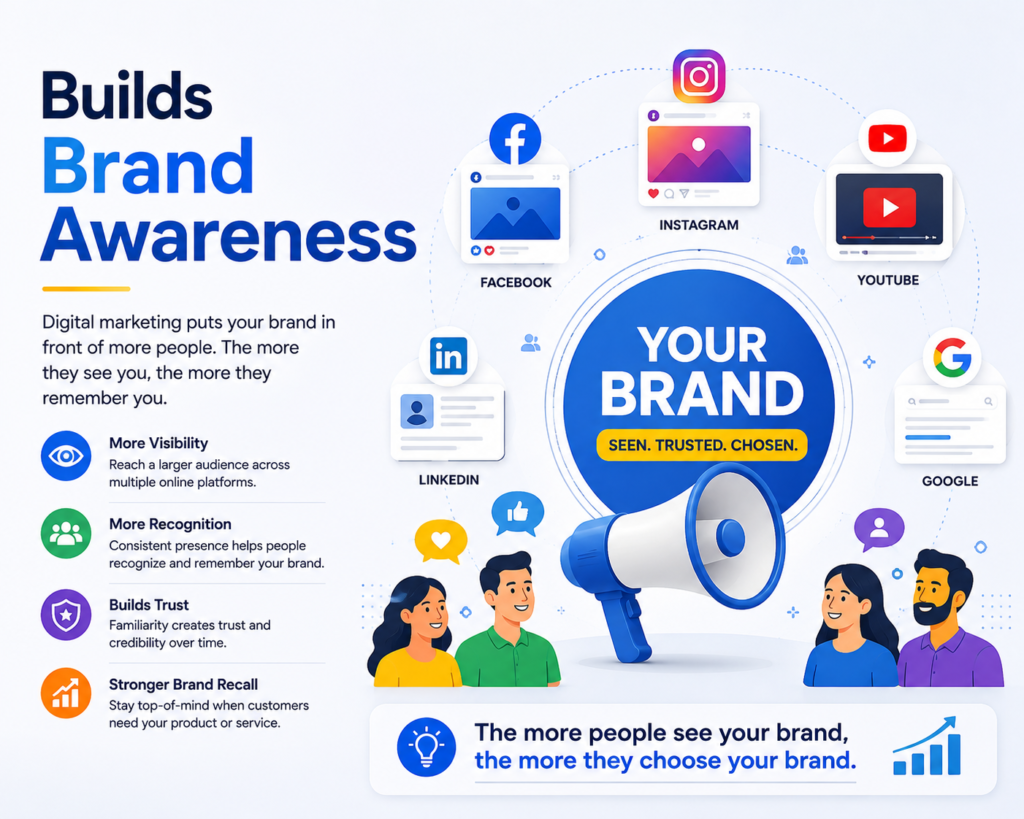
Many small businesses struggle because people simply don’t know they exist.
Digital marketing helps increase your brand’s visibility through:
- Social media posts
- Search engine results
- Blog articles
- Online advertisements
- Video content
The more often people see your business online, the more familiar they become with your brand. Over time, this builds trust and encourages customers to choose your business over competitors.
5. Improves Customer Engagement
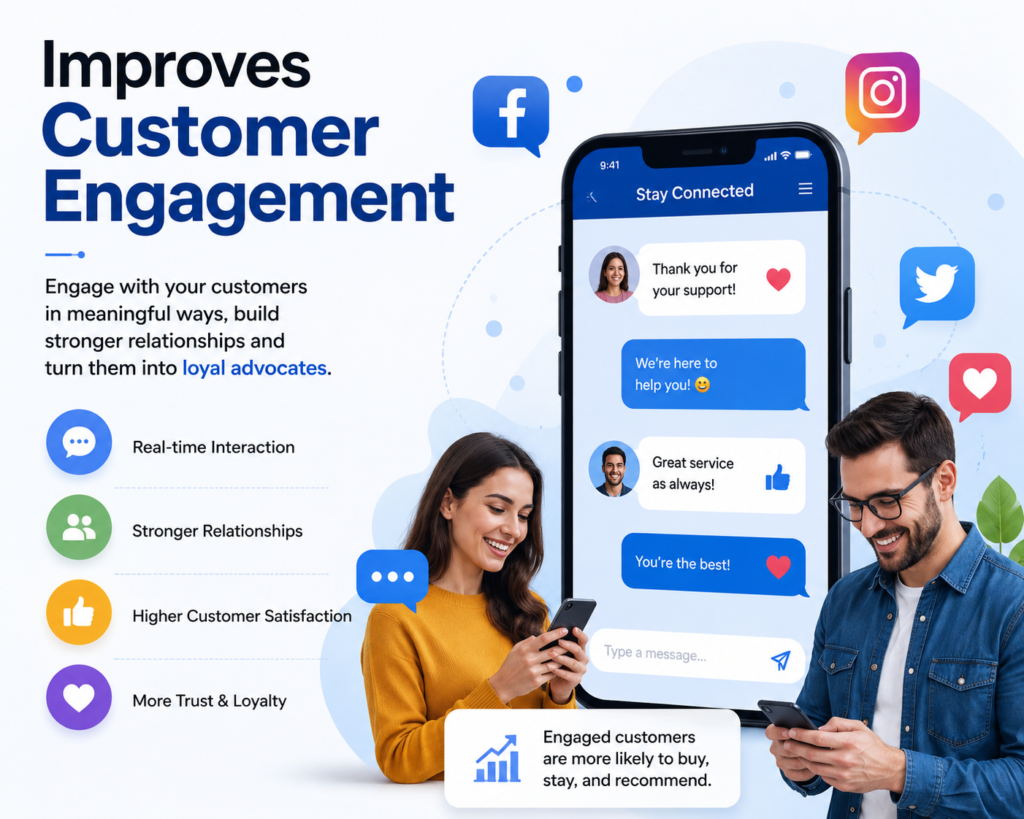
Digital marketing makes it easier to communicate with customers.
Through social media, emails, and websites, businesses can:
- Answer customer questions
- Respond to comments
- Share useful information
- Receive feedback
- Build stronger relationships
Customers appreciate businesses that interact with them quickly and professionally. Good communication helps improve customer satisfaction and loyalty.
6. Increases Website Traffic
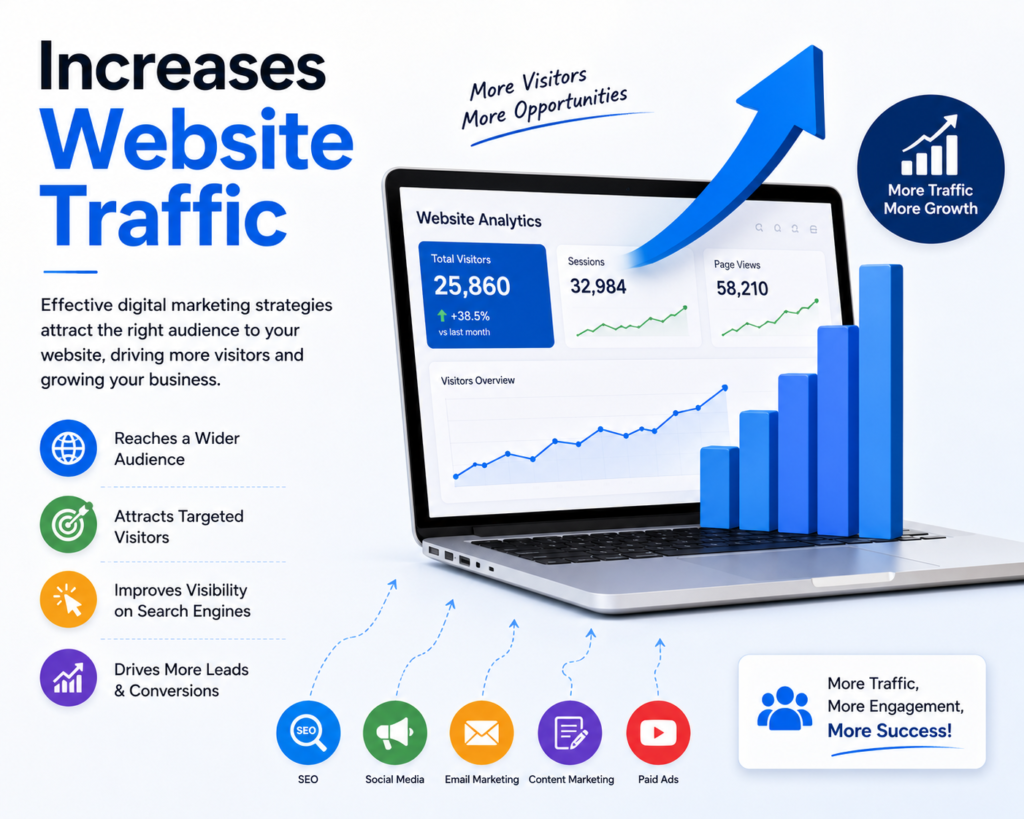
Your website is your business’s online storefront. Digital marketing drives more visitors to your website through SEO, social media, paid advertising, and content marketing.
A well-designed website helps customers:
- Learn about your business
- Explore your products or services
- Contact you easily
- Make purchases or book appointments
The more qualified visitors your website receives, the greater your chances of generating leads and sales.
7. Helps Generate More Leads and Sales
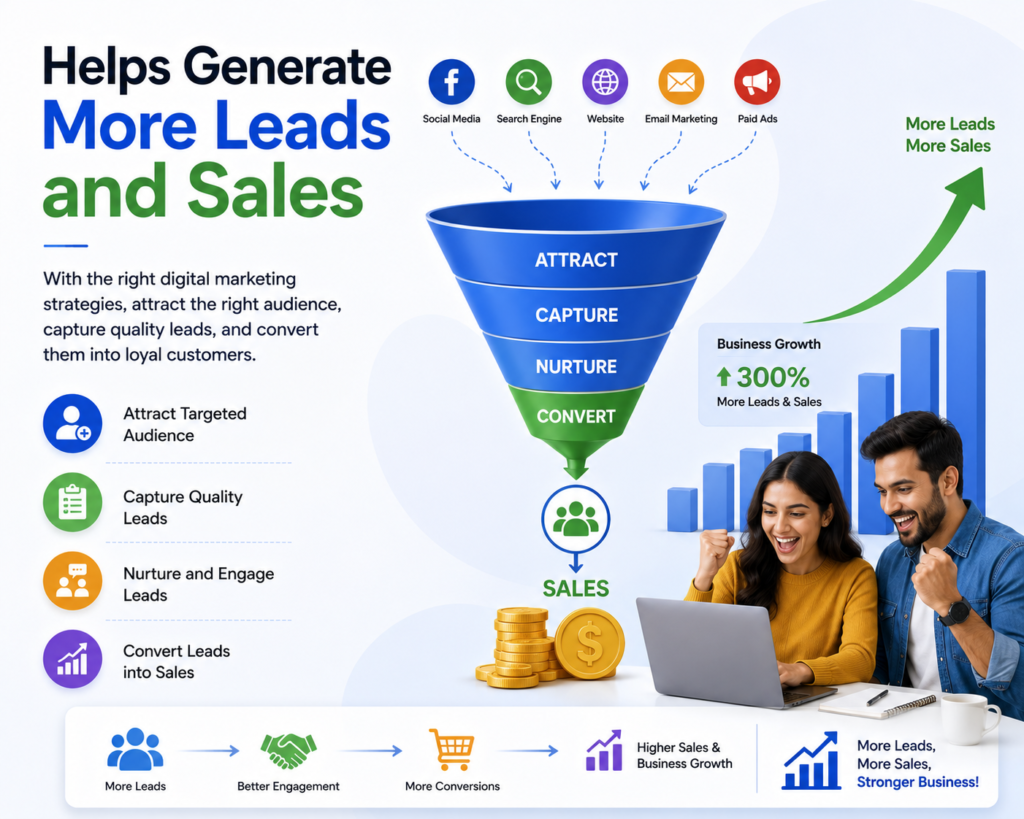
The main goal of digital marketing is to attract potential customers and convert them into buyers.
Businesses can generate leads through:
- Google search results
- Contact forms
- Landing pages
- Email newsletters
- Social media campaigns
Once people show interest in your business, you can continue building relationships through email marketing and valuable content until they are ready to make a purchase.
8. Provides Measurable Results
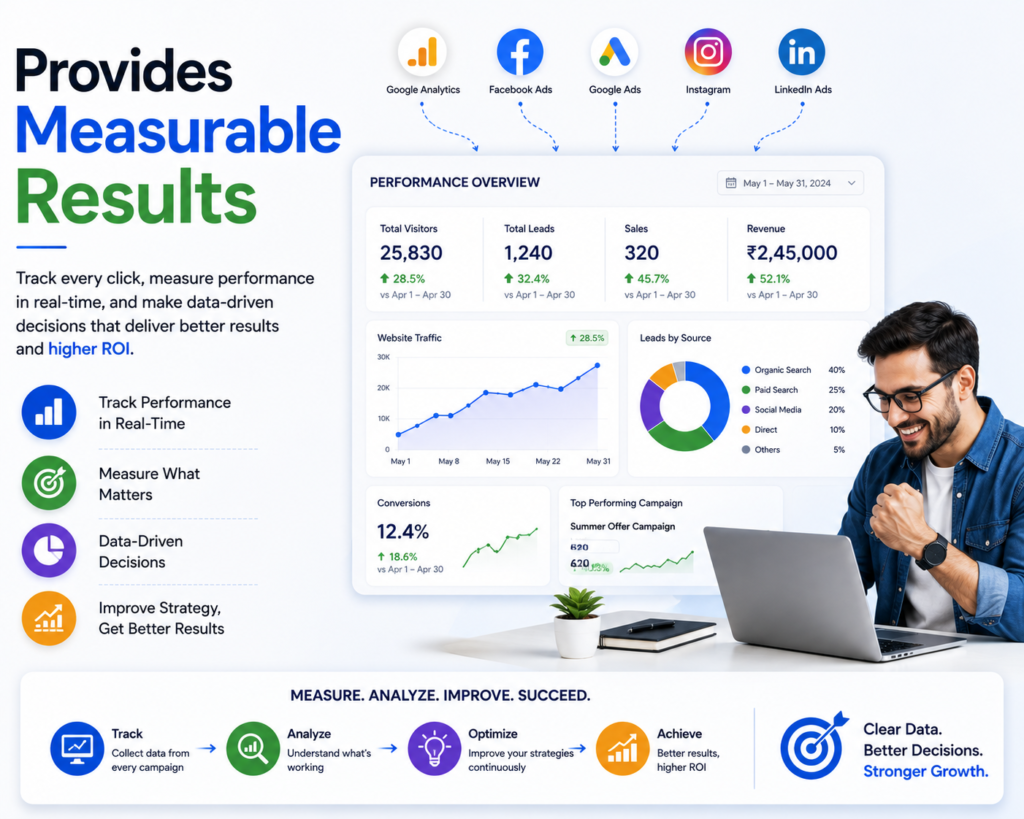
One of the biggest advantages of digital marketing is that you can measure your results.
With tools like website analytics and advertising dashboards, businesses can track:
- Website analytics https://analytics.google.com
- Page views
- Clicks
- Leads
- Sales
- Conversion rates
This information helps business owners understand what is working and what needs improvement, making marketing more effective over time.
9.
Many small business owners believe they cannot compete with large companies. However, digital marketing creates opportunities for businesses of all sizes.
A small business with:
- A professional website
- Helpful blog content
- Strong SEO
- Active social media
- Positive customer reviews
can compete successfully with much larger competitors.
By focusing on quality content and excellent customer service, small businesses can build a loyal customer base and stand out in the market.
10. Supports Long-Term Business Growth
Digital marketing is not just about getting quick sales. It also helps build a strong foundation for long-term growth.
As your website gains authority, your SEO improves, your social media audience grows, and your email list expands, your business continues attracting customers over time.
Unlike some traditional advertising methods that stop producing results once your budget ends, valuable online content such as blog posts and optimized web pages can continue generating traffic and leads for months or even years.
Tips for Small Businesses Starting with Digital Marketing
If you are just getting started, here are a few simple steps:
- Create a professional and mobile-friendly website.
- Set up and optimize your business profile on Google.
- Use SEO to improve your search engine rankings.
- Share useful content regularly on social media.
- Publish blog posts that answer customer questions.
- Collect customer reviews to build trust.
- Start an email newsletter to stay connected with customers.
- Monitor your website traffic and improve your marketing strategy based on results.
Even small improvements can make a big difference over time.
Conclusion
Digital marketing has become an essential part of running a successful small business. It helps businesses reach more customers, increase brand awareness, build trust, generate leads, and grow sales without requiring a huge marketing budget.
Whether you are launching a new business or looking to expand an existing one, investing in digital marketing is one of the smartest decisions you can make. By focusing on strategies like SEO, content marketing, social media, email marketing, and online advertising, small businesses can compete effectively, strengthen customer relationships, and achieve sustainable growth.
The digital world offers endless opportunities. Businesses that embrace digital marketing today will be better prepared to succeed in the future.
